
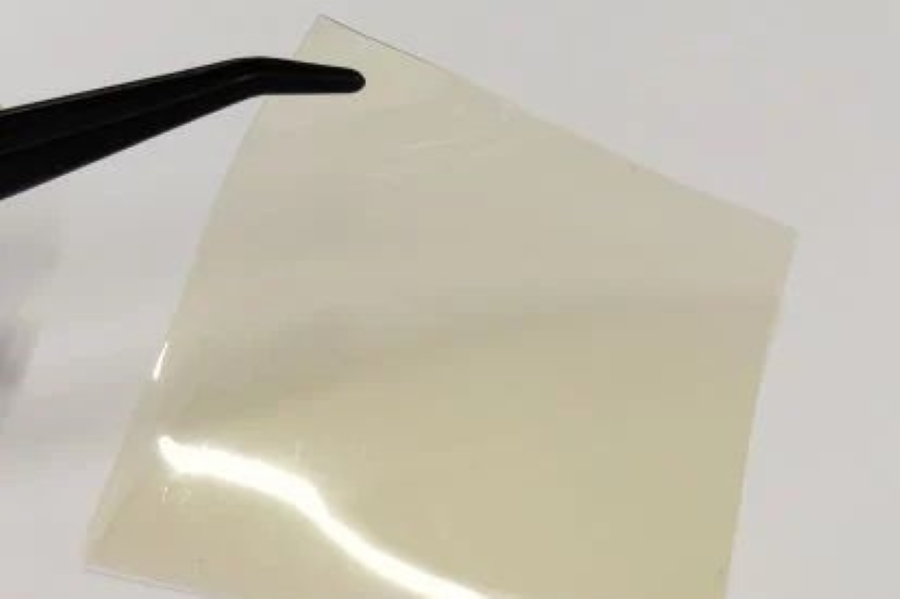
The newly developed hydrocarbon-based polymer electrolyte is designed for use in polymer electrolyte membrane (PEM) water electrolysis systems and is intended to address several limitations associated with conventional fluorinated polymer electrolyte membranes.
According to Tosoh, the material delivers superior proton conductivity, higher gas barrier properties, and lower swelling in the hydrated state compared with existing fluorinated polymer electrolyte materials. The company expects that these performance characteristics will improve both hydrogen production efficiency and long-term durability when the material is used to fabricate electrolyte membranes.
Tosoh also stated that the polymer features a proprietary molecular structure that can be flexibly modified. This design allows the electrolyte material to be tailored to meet customized requirements for different applications and system specifications.
PEM water electrolysis is widely used as a hydrogen production technology, but its conventional reliance on fluorinated polymer electrolyte membranes raises concerns related to fluorine’s environmental impact. Tosoh noted that these conventional materials also exhibit relatively low gas barrier properties, which can limit operational efficiency and durability.
The company has begun supplying samples of the hydrocarbon-based polymer electrolyte to selected users and has initiated evaluation activities. Tosoh is working toward a market launch as early as possible while continuing research and development to further advance the product.